
Overcoming
In our interview, Ms. Kuozi shared the difficulties the troupe faced in its early years. She said that starting a theater troupe is not only about performing on stage — it also involves a lot of work behind the scenes, such as administration, funding, and team management. We summarized the main challenges below.
1Lack of Manpower
In the beginning, the troupe had no full-time staff. Ms. Kuozi had to take care of many jobs by herself, including administrative work, proposal writing, outside communication, and performance arrangements. At that time, she still had a full-time job, so she could only handle troupe work after work.
Also, many people wanted to act, direct, or write scripts, but fewer were willing to do backstage work such as administration and coordination. Because of this, Ms. Kuozi and her husband had to carry most of the responsibility and slowly support the troupe together.

Image Source: Provided by Pingpengcao Theatre
2Financial Problems
Money was another major challenge. Ms. Kuozi said that even when they received government funding, it was often not enough to cover all the costs. After paying the director and actors, there was usually not much left for transportation, props, and production.
Sometimes she had to pay these expenses herself, so the troupe often struggled financially. To create more opportunities, she kept writing proposals and applying for support from different organizations. Over time, the troupe became more stable.

Image Source: Provided by Pingpengcao Theatre
3Few Chances to Perform
When the troupe was first founded, not many people knew about it, so there were almost no invitations to perform. In the early stage, they mainly joined small events such as anti-drug campaigns and school programs. There were very few formal chances to perform.
Because of this, it was hard for the troupe to build its reputation and attract audiences. Later, after holding annual public performances, the troupe gradually became more well known.
4Member Turnover and Team Problems
In the early years, some talented members left because of different ideas or personal interests. Some even took other members with them and started their own group. This had a strong impact on the troupe.
At the same time, early members had different backgrounds and different goals. The team was not stable enough, so member turnover became a serious problem. These issues affected not only the troupe's operation but also the morale of the team.
Ms. Kuozi once wondered if she should give up. However, she realized that her original ideas and creative work could not be replaced. This became the troupe's greatest strength and gave her the courage to continue.
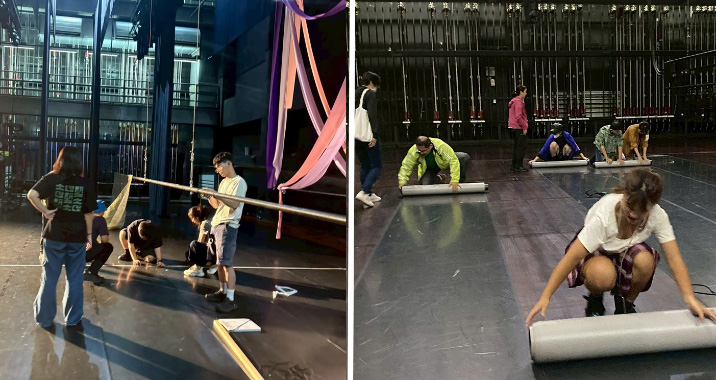
Image Source: Provided by Pingpengcao Theatre
5Learning New Skills
To deal with these challenges, Ms. Kuozi learned many skills by herself. She learned how to write proposals, manage reimbursements, communicate with different organizations, and prepare reports. These skills helped her become one of the key people supporting the troupe.
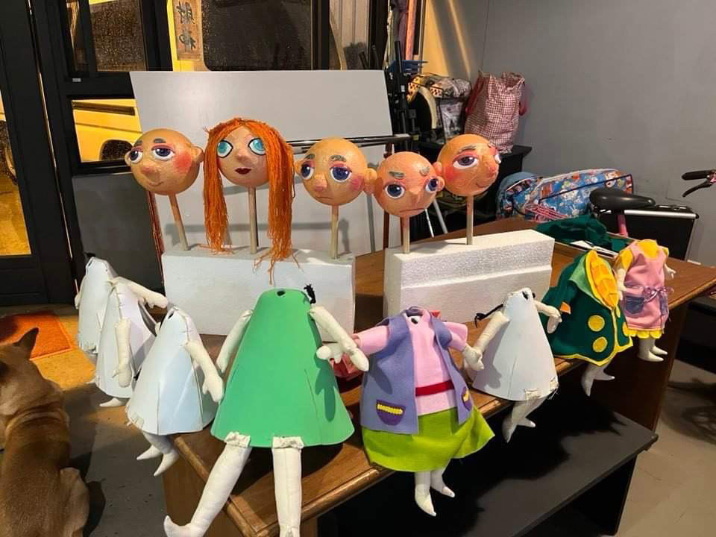
Image Source: Provided by Pingpengcao Theatre
Conclusion
Although the troupe faced many challenges in the beginning, these difficult experiences later became an important foundation for its growth.
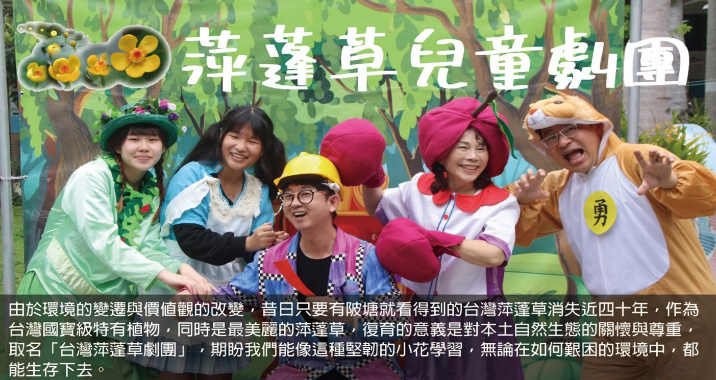
Image Source: Pingpengcao Theatre