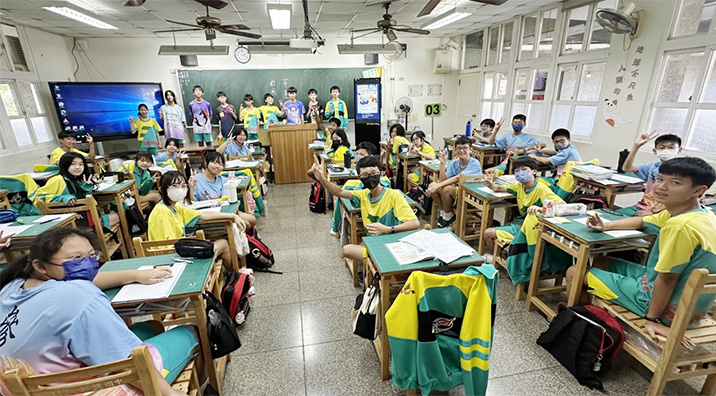
Classroom Outreach
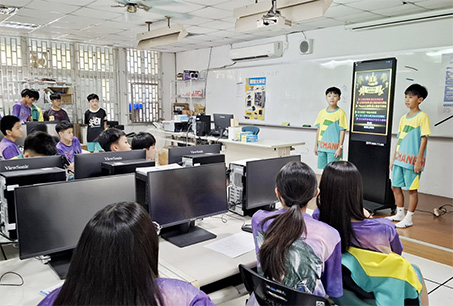
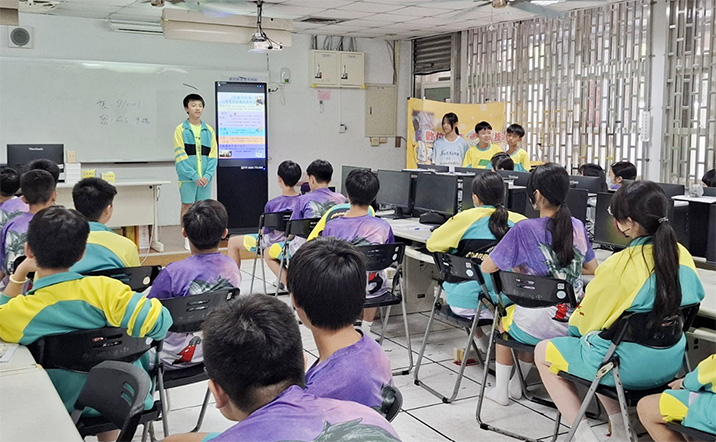
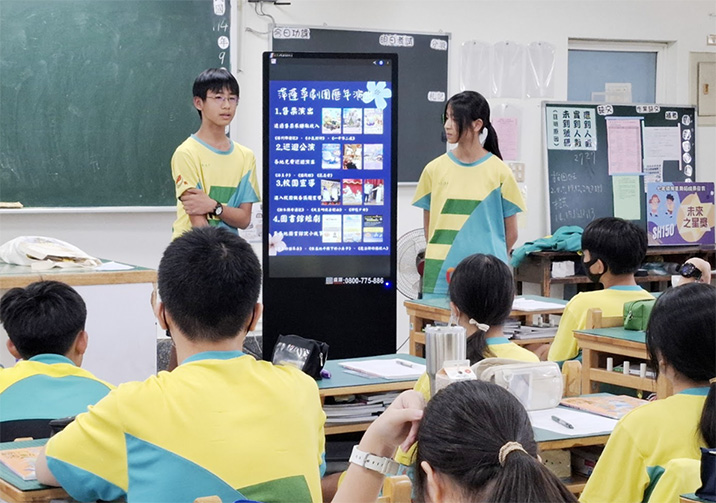
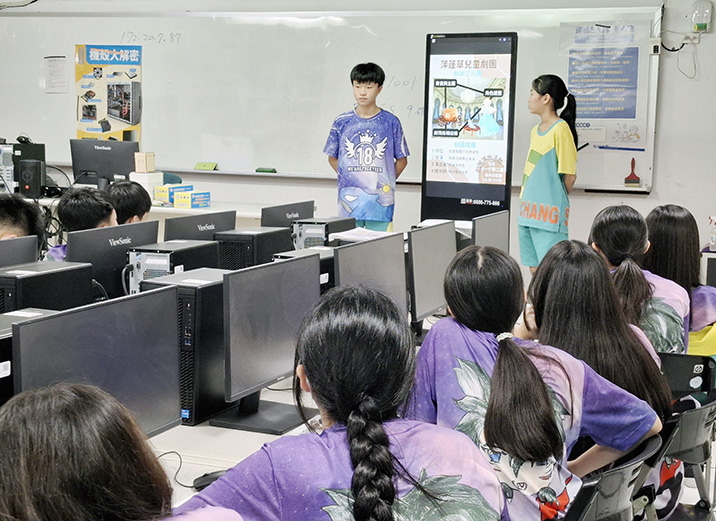
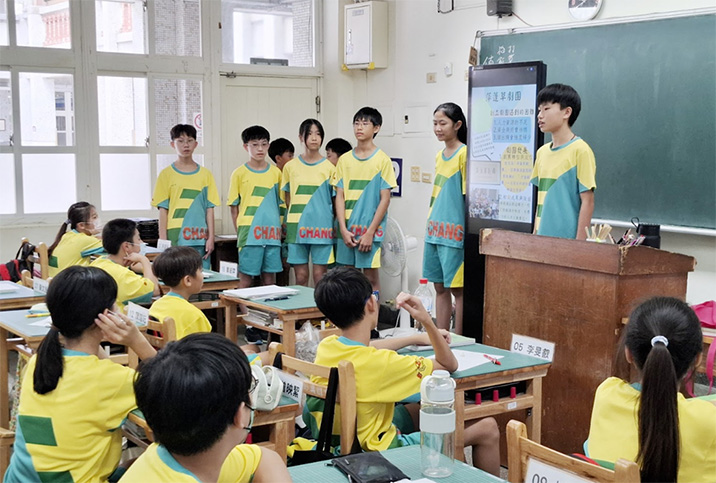
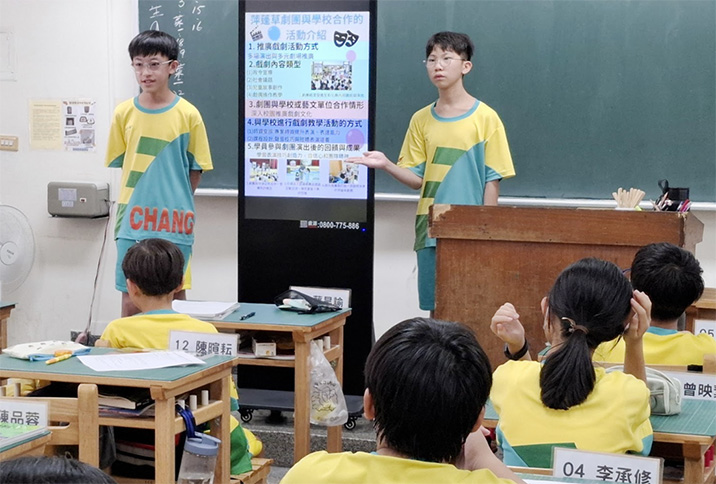
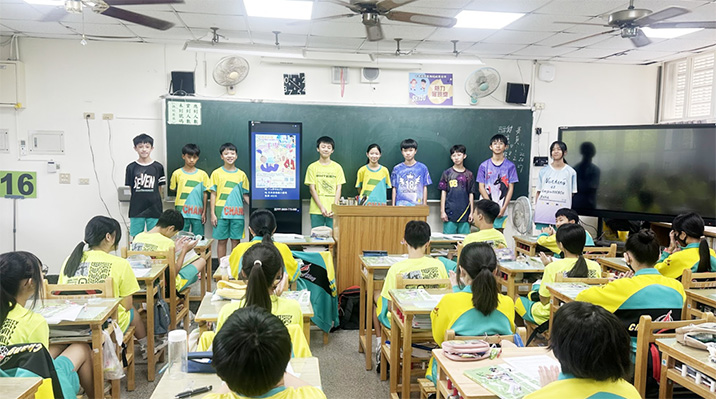
When our classmates watched Pimpengcao Theatre's show, they were totally absorbed and followed every emotional moment, and many of them were deeply moved. That made our team want more people to know about drama and about this local theatre troupe. So we made posters and visited different classes around school to share what we learned. We hope this can help more students see how fun and meaningful drama can be, and help more people notice a troupe that has been working hard in our community.
The Troupe's Growth Journey
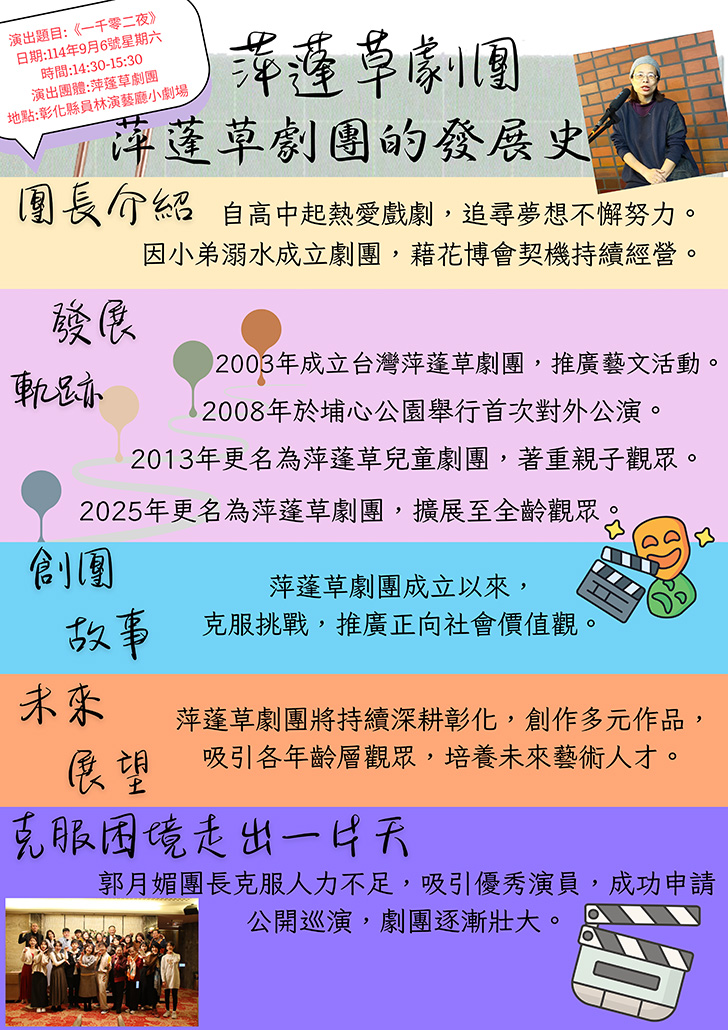
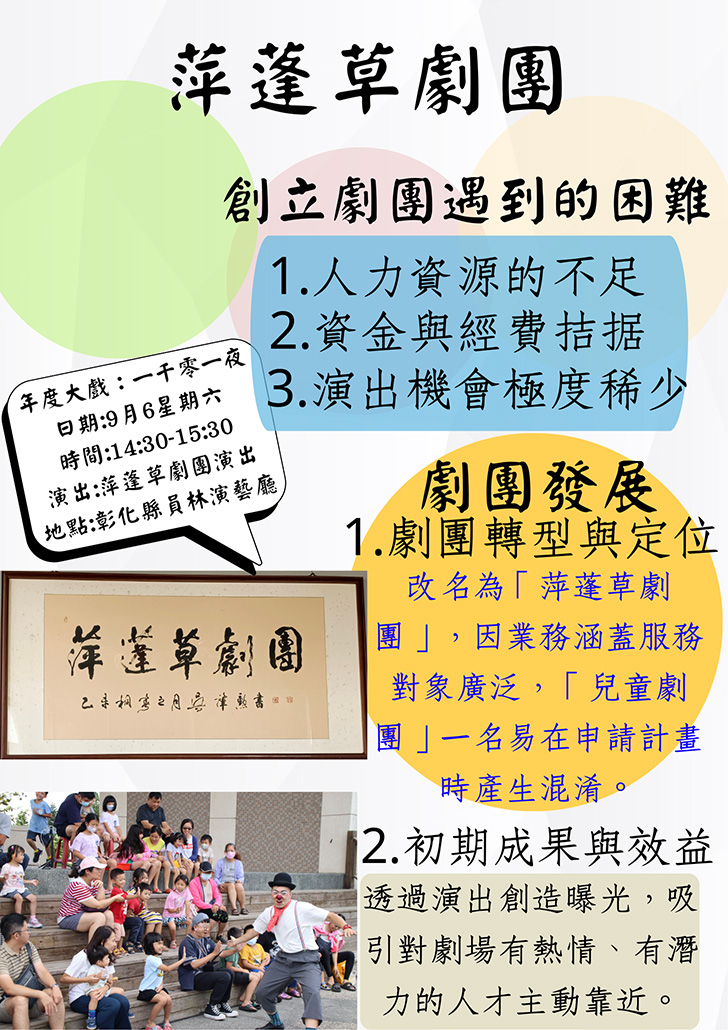
After organizing our materials, we found that Pimpengcao Theatre was started by its director, Kuozi, after a life-changing event in which her younger brother drowned. Supported by her love for drama, the troupe has continued to work hard and stay rooted in the local community for many years. By compiling the information and sorting out the timeline, we were also able to see the troupe's development more clearly since it was founded in 2003. Over the years, it has gone through several name changes and shifts in focus. It first began with performances made to support government publicity campaigns, then later transformed into a children's theatre troupe mainly for families, and in 2025, it officially expanded into "Pimpengcao Theatre," serving audiences of all ages. This shows a growth path that responds to local needs and keeps evolving step by step. From our interviews, we also learned that even when the troupe faces real challenges like not having enough people, they still keep going. They run different training workshops to develop skills and attract talented people to join, and they actively apply for public touring show opportunities, helping more local people get involved in the arts.

The Troupe's Local Outreach and Community Engagement
After organizing and categorizing the troupe's performances over the years, we found that Pimpengcao Theatre has a truly diverse range of presentation styles. On one hand, they keep the troupe running through ticketed performances, such as "Gulliver's Travels" and "One Thousand and Two Nights." On the other hand, they also put a lot of effort into visiting rural areas to offer free touring shows and school outreach programs, so that more children can experience the magic of the stage. We also noticed that the troupe's ways of promoting theatre on campus are flexible and rich. They use "The New Adventures of Pinocchio" to connect drama with important social topics, and go into libraries to tell stories to children. They work with school drama clubs to train young people's theatre skills, invite older adults to watch performances, and even take children out into the fields. Through our research for the Cyberfair project, we were able to see how art can take root in a community through many different forms.
Behind the Scenes: How a Play Is Born
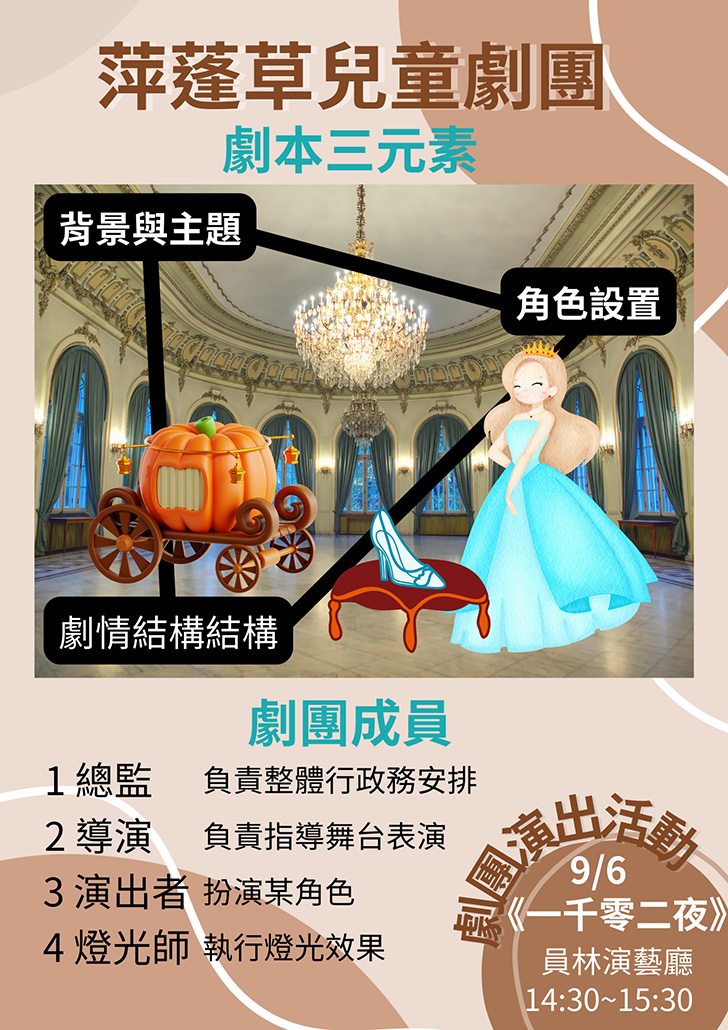
After taking a closer look at the troupe's creative process, we found that the birth of a play is built on a rigorous set of "three script elements": the background and theme, the character setup, and the plot structure. Through on-site observation, we also saw that professional teamwork and clear roles are key to a successful production. From the executive director who handles overall coordination and administration, to the director who guides the performance as a whole, to the performers who bring the story to life on stage, and the lighting designer who creates the mood and visual effects, every role is essential. We also learned that "One Thousand and Two Nights," which will be performed on September 6, is the result of these professionals working together and supporting one another. This helped us understand that doing a project is not only about recording stories, but also about discovering the craftsmanship and professionalism behind a local arts troupe.
Challenges and a Shift in Direction
After organizing our materials and interviewing the troupe, we learned that they faced many real challenges when they first started, including a lack of manpower, tight funding, and limited performance opportunities. Through these interviews, we also came to understand how important "positioning" is. The troupe shared that when they used the name "children's theatre troupe," it was often misunderstood or confusing when applying for projects or communicating with others. That is why they later changed to "Pimpengcao Theatre," a name with a wider service focus and a clearer identity. We also saw from the information we collected that by continuing to perform, the troupe gradually built its reputation and visibility, attracting more people who are passionate about theatre to join. This project helped us realize that promoting arts in local communities is truly not easy, but if you keep going and keep creating good work, you can slowly bring people and strength together.
Campus Partnerships and Educational Impact
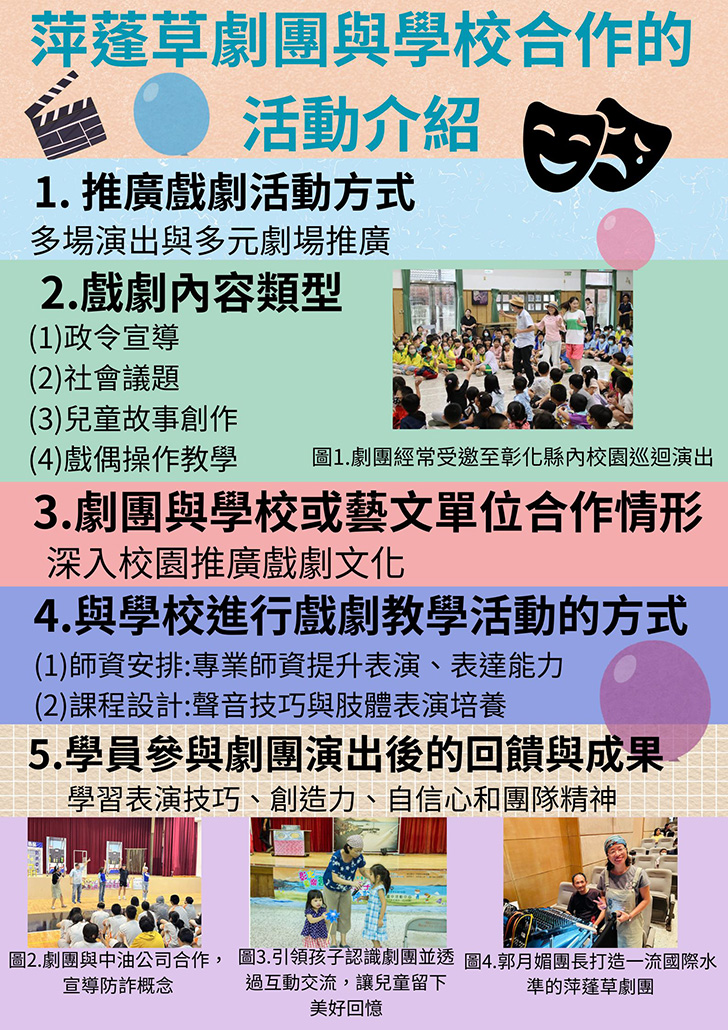
As we reviewed cases of the troupe working with schools, we found that their outreach is truly deep and wide-ranging. Their programs cover government-policy promotion, social issues, and even puppet training, offering students many different ways to experience theatre. Based on feedback from participants, we learned that their course design can noticeably improve students' voice skills, body expression, and confidence. What impressed us most is that the troupe has even partnered with companies such as CPC Corporation to promote anti-fraud awareness through drama. This shows that theatre is not only about performance, but also a powerful form of social education that connects closely to real life. For us, this project proves that arts education can lead children into the world of theatre and leave them with meaningful memories — that is the local educational highlight we most want to share through the Cyberfair project.

Media Visibility and Award Recognition
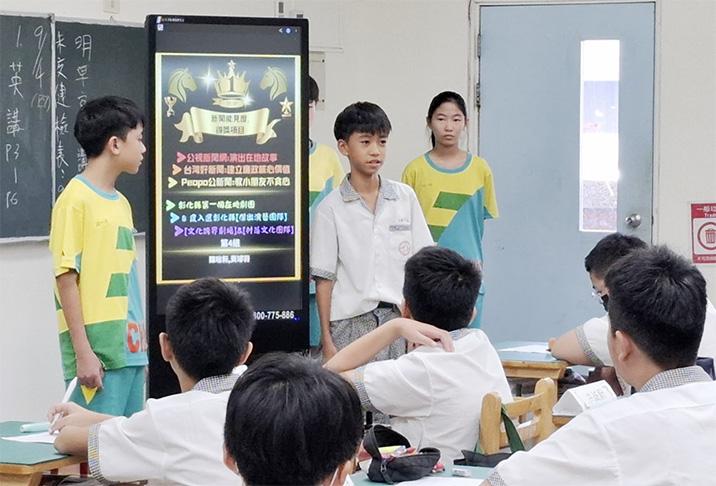
While collecting external feedback, we found that Pimpengcao Theatre not only stands out in news coverage, but is also highly recognized in the professional arts field. Based on the information we compiled, the troupe has been selected eight times as one of Changhua County's "Outstanding Performing Arts Groups," and it is also the first local theatre troupe in Changhua to reach this achievement. By looking more closely at media reports, we also saw how the troupe uses Taiwanese-language theatre to express deep local feelings, and how its performances communicate core values such as integrity. What makes us especially proud is that this locally rooted troupe has appeared many times in national media outlets, including PTS News. These professional recognitions and media features are exactly what we most want to share with an international audience — they show that through years of deep local engagement, the troupe has helped rural Changhua build its own cultural soft power.

Annual Production: One Thousand and Two Nights
To wrap up, we would like to introduce Pimpengcao Theatre's annual production, "One Thousand and Two Nights." The show will take place at 2:30 p.m. on September 6, 2025, at the Small Theatre of Yuanlin Performing Arts Hall. This play tells an adventure story about a prince who carries a magic key to rescue a fairy spirit, highlighting courage, adventure, and positive values. We warmly invite everyone to come and support the troupe in the theatre. Tickets are NT$450. For a troupe, an annual production is an important moment that shows what they have worked on throughout the year. If you have already seen their smaller performances at school, we also hope you will step into the theatre and experience the unique charm of live performance for yourself.