
Curriculum Links
Connections to the Curriculum
Building on drama-based experiential learning, through this project we came to recognize the distinctive value of a local theatre troupe and engage in community-rooted actions that sustain theatre education at the grassroots level. The design follows Taiwan's 12-Year Basic Education emphasis on competency-based interdisciplinary learning, while also advancing the values promoted by the United Nations Sustainable Development Goals (SDGs).
Through field investigations, interview documentation, drama-based experiences, community-based actions and outreach, and statistical data analysis, we transform insights from experiential learning into interdisciplinary learning resources.
We do more than collect information, watch performances, or conduct site visits. By actively participating and then organizing and analyzing the context, we develop an understanding of how theatre becomes rooted in a local community, and we further examine the relationship between cultural development and civic engagement.
Through our inquiry-based project and the extended local actions and outreach efforts, we connected learning across multiple subject areas—including language arts, social studies, arts, technology, and integrative studies—and developed a wide range of abilities:
- Critical thinking skills
- Expression and communication skills
- Data collection and analytical skills
- Aesthetic appreciation and cultural literacy
- Civic awareness and a spirit of social participation
Subject Areas and Related Learning Tasks
Language Arts (Chinese & English)
- Writing interview questions and interview scripts (in Chinese)
- Organizing, summarizing, and synthesizing interview data (notes, summaries, reports)
- Reflective writing in Chinese (learning journals / reflections)
- Reading materials (articles, websites, captions)
- English writing for the project (e.g., summaries, introductions, captions, and webpage text)
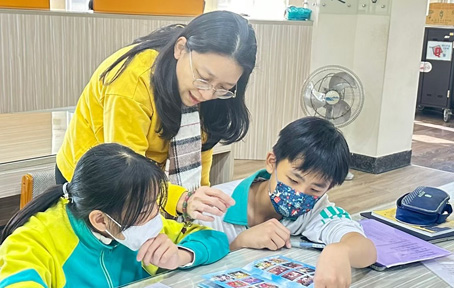
Social Studies
- Understanding the development of local theatre
- Exploring the community's geographic location and key features
- Learning about local cultural preservation
- Civic engagement and public participation
- Media literacy
- Community fieldwork (site visits)
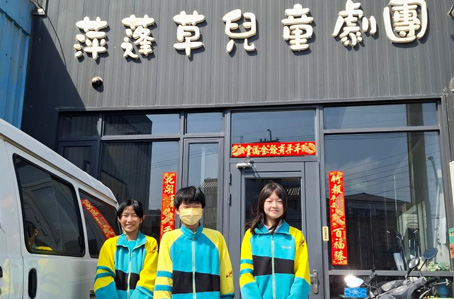
Arts
- Learning about stage design, sets, lighting, and sound effects
- Costume design and character styling
- Basic drama/performance skills
- Designing posters for classroom outreach
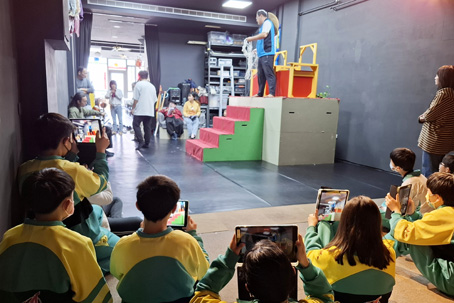
Technology
- Audio and video recording skills
- Organizing information with word-processing tools
- Data statistics and analysis
- Video editing
- Website structure and layout design
- Scratch game design
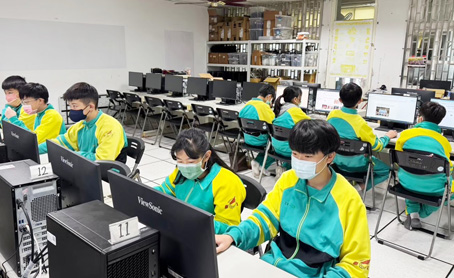
Integrative Activities / Comprehensive Studies
- Teamwork and collaboration
- Dividing roles and responsibilities for interviews
- Public presentation training
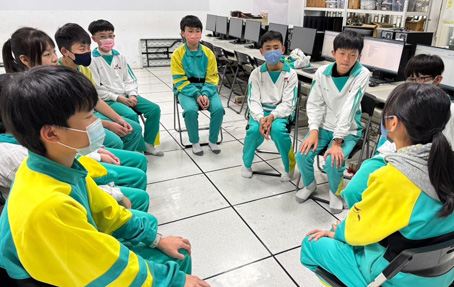
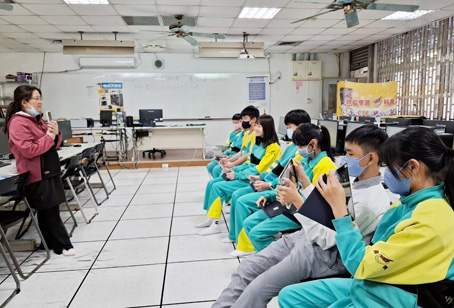
Our cross-disciplinary learning put the school curriculum to its best use, and we gained profound life experience and new perspectives.
This classroom outreach activity taught us how to clearly introduce the local theatre troupe and share key information about the weekend performances. It helped us build our communication skills and confidence. Presenting in different classes also trained our ability to respond on the spot and manage time effectively. We discovered that capturing classmates' attention is not easy. Through teamwork, role-sharing, and repeated revisions, we realized the importance of clear communication within a team. We also gained a deeper understanding of the meaning—and responsibility—of promoting local culture.
We also designed posters and practiced public speaking for our presentation.
Please enable English subtitles
Aligned with the United Nations Sustainable Development Goals (SDGs)
Theatre is not only an art form; it is also a valuable platform for educational practice, industry development, community connection, and partnerships. Our project therefore aligns with the United Nations Sustainable Development Goals (SDGs) by integrating these dimensions.
SDG 4: Quality Education
Core Spirit: Ensure inclusive and equitable quality education and promote lifelong learning opportunities for all.
Connection to Our Project: Through this project-based research, we experienced meaningful and high-quality learning opportunities. By promoting a local theatre troupe, we also support cultural sustainability and help families in the community experience new ways of learning through theatre.
SDG 8: Decent Work and Economic Growth
Core Spirit: Promote sustained, inclusive and sustainable economic growth, full and productive employment and decent work for all.
Connection to Our Project: We learn how a theatre troupe operates through different roles and responsibilities, and how the cultural and creative industries work. We also explore how local industries can create job opportunities and support local economic growth, including potential opportunities for local youth interested in theatre.
SDG 11: Sustainable Cities and Communities
Core Spirit: Make cities and human settlements inclusive, safe, resilient and sustainable.
Connection to Our Project: The local theatre troupe preserves local stories and culture and uses theatre to support community development. Our project team's research and outreach also contribute to the community's long-term sustainability.
SDG 17: Partnerships for the Goals
Core Spirit: Strengthen the means of implementation and revitalize the Global Partnership for Sustainable Development.
Connection to Our Project: Our school worked in partnership with the theatre troupe, putting collaboration, co-creation, and social participation into practice.
Our research puts into practice the goals of Quality Education, Decent Work and Economic Growth, Sustainable Cities and Communities, and Partnerships for the Goals:
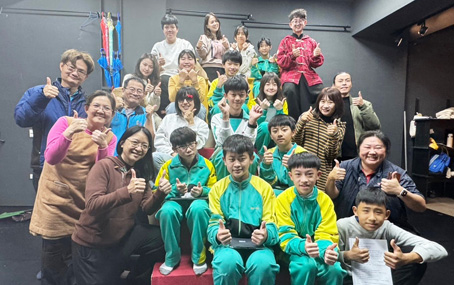
We visited the troupe's studio to gain a deeper understanding of how the troupe operates.
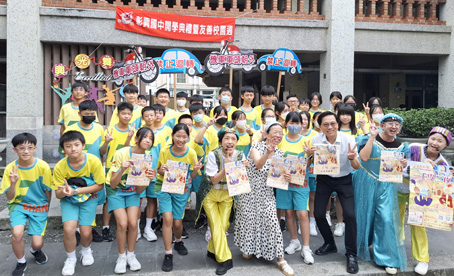
Troupe members came to our school and interacted with students.