
Founding Story
When Kuozi was 20, her life changed a lot. After retaking the entrance exam, she got into a university night program in Chinese. During the day, she joined the theatre troupe at the Taichung Municipal Cultural Center—the first public children's theatre troupe in Taiwan. By performing and helping with the troupe's daily work, she learned how a theatre troupe is built and how it runs. Later, a classmate introduced her to a job at a radio station, where she worked as a host while studying and finished her degree.
As a host at a local radio station, she could earn a good income if she knew how to promote products and keep listeners engaged. After she became familiar with the job, Kuozi once thought she would slowly drift away from theatre. The radio work was stable, the pay was good, and she also had a reporter's title. She stayed in that career into her thirties, got married, and had children. Life felt steady and secure.
But one sudden phone call changed everything. One day, while she was out on an interview, her mother called to say that her younger brother had drowned at the beach. She dropped everything and rushed there, but it was too late. The three days of searching and waiting by the sea shook her deeply. For the next six months, she could not escape the pain—she barely slept, her grief would not ease, and she was close to breaking down.
Just at that time, Changhua County was preparing a national flower expo. Kuozi thought this might be a chance to do something—to pull herself out of deep sadness and start again. That night, she could hardly sleep as she turned the idea over and over in her mind. The next day, she walked into the expo planning site alone, opened the office door, and bravely presented her own performance plan.
Luckily, the staff member who met her had experience with theatre activities. They accepted her idea on the spot and discussed with her how to recruit and train volunteers to perform at the expo.
However, after the performances ended successfully, a new problem appeared: money paperwork. The volunteers came from the community and did not belong to any official organization, so there was no formal group that could handle the required administrative process.
Kuozi stepped forward. She gathered like-minded partners from the planning team and founded a local theatre troupe. She did it not only to keep the performances going, but also to make sure their teamwork could continue—not just for one event.
Because the troupe was born from the flower expo, they wanted a name connected to "flowers." At first, they considered names like stinging nettle and morning glory. In the end, they chose Taiwan yellow water lily (Taiwan pingpengcao), a native plant found in Taiwan.
This plant is tough and adapts well to its environment. It became a symbol of the troupe's spirit: even with limited resources, they would keep going, stay determined, and move forward. From that time on, Director Kuozi has continued to lead and run the troupe—almost as a way to remember her younger brother.

Image Source: Hemei Church website
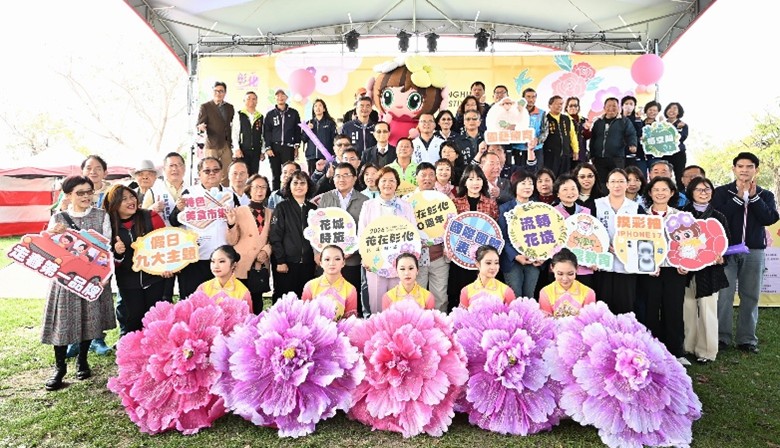
Image Source: Changhua County Government Official Website